

What is important to understand?
A word search calls for visual scanning, recognition of letter sequences and keeping a goal in mind. It may reinforce familiar words and be enjoyable.
What cautions are needed?
Finding words alone does not teach sound–letter links, decoding new words, fluency or comprehension. Dense grids can be tiring and frustrating.
What can you do next?
Start with few words, large letters, limited directions and an interesting theme. Read each word, discuss meaning and combine with explicit instruction and shared reading.
Conclusion
Start with few words, large letters, limited directions and an interesting theme. Read each word, discuss meaning and combine with explicit instruction and shared reading. This article is for information and does not replace assessment, diagnosis or individual guidance from qualified professionals.
Frequently asked questions
What is important to understand?
A word search calls for visual scanning, recognition of letter sequences and keeping a goal in mind. It may reinforce familiar words and be enjoyable.
What cautions are needed?
Finding words alone does not teach sound–letter links, decoding new words, fluency or comprehension. Dense grids can be tiring and frustrating.
What can you do next?
Start with few words, large letters, limited directions and an interesting theme. Read each word, discuss meaning and combine with explicit instruction and shared reading.
Can this article diagnose a child?
This article is for information and does not replace assessment, diagnosis or individual guidance from qualified professionals.
This article is for information only and does not replace an assessment by a health professional. If you are worried about a child’s development, talk to their doctor or paediatrician.
Sources
Keep reading
Phonological awareness: rhymes, syllables and sounds before reading
What it is, how it develops from 3 to 6 and simple games to play at home.
Read the article GuideBenefits of educational games
What children practise when they play, and what no game can promise.
Read the article GuideMemory games for kids
Attention, sequences and patterns, and how to play together.
Read the articleSee the games in action
Explore how Talk+ games work. Choose around the child’s interests; these demonstrations are not treatment recommendations.
See all games →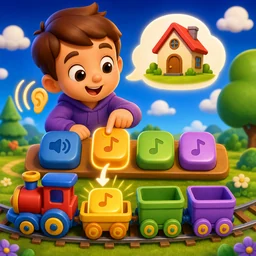 Build Words
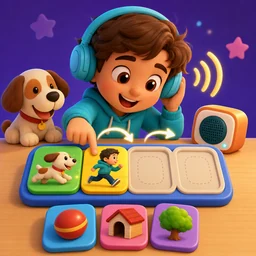 Build Sentences
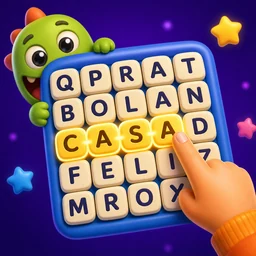 Word Search
Published 30 October 2026 · Last reviewed: 30 October 2026
